





Finding rats in a chicken coop can be frustrating, especially when they keep returning night after night. Rats are usually not there for the chickens themselves. They are there for easy food, water, shelter, and quiet hiding spots.
A rat trap for chicken coop use can help control active rat problems, but trapping should be paired with better feed storage, cleanup, and prevention. If loose chicken feed is still available every night, rats will continue to return no matter how many traps are placed.
The goal is to make the coop less attractive to rats while using the right live trap in the right location.
Why Rats Are Attracted to Chicken Coops
Chicken coops can accidentally create the perfect environment for rats. Feed is often available, water is nearby, bedding provides hiding material, and the coop area may have gaps, clutter, or protected spaces where rats can move without being seen.
Common reasons for rats in chicken coop areas include:
- Spilled chicken feed
- Open feed bags
- Unsealed grain storage
- Water sources
- Compost or food scraps nearby
- Gaps under the coop
- Clutter around the coop
- Tall grass or debris nearby
- Poorly sealed feed rooms or sheds
Before choosing a rat trap for chicken coop control, remove as many attractants as possible. Traps work better when they are not competing with loose feed and open food sources.
Step 1: Keep Rats Out of Chicken Feed
The first step in chicken coop pest control is feed management. Rats are highly motivated by food, and chicken feed is one of the biggest reasons they stay around coops.
To help keep rats out of chicken feed:
- Store feed in sealed metal or heavy-duty containers
- Avoid leaving feed bags open
- Clean spilled feed daily
- Remove leftover feed at night if needed
- Use better feeding systems where possible
- Keep feed storage away from walls and clutter
- Check for holes or chewing around containers
If rats can eat freely from the ground, they may ignore bait inside a trap. A rat trap for chicken coop setup becomes much more effective when chicken feed is secured first.
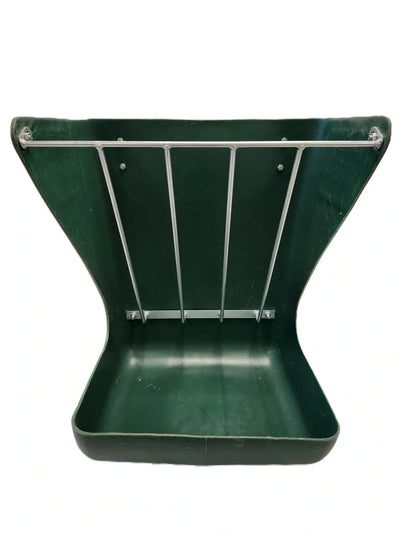
For poultry supplies and feeding support, link to chicken feeders where relevant.
Step 2: Clean the Coop Area
Rats prefer areas where they can hide, travel, and feed without being disturbed. A messy coop area gives them more protection.
Clean up:
- Old bedding piles
- Feed spills
- Loose straw or hay
- Broken boards
- Trash or clutter
- Brush and tall grass
- Unused equipment
- Open compost or scraps
A cleaner coop makes rat activity easier to spot. You may notice droppings, chew marks, tracks, tunnels, or movement along walls and fence lines.
Good cleanup also supports rodent control for poultry because it reduces the conditions that attract rats in the first place.
Step 3: Seal Entry Points
Rats can squeeze through surprisingly small openings. Check the coop, feed room, shed, and nearby structures for gaps, holes, or loose materials.
Inspect:
- Gaps under doors
- Holes around corners
- Openings near pipes or wires
- Damaged vents
- Loose boards
- Spaces under the coop
- Gaps in feed storage areas
Seal openings with strong materials that rats cannot easily chew through. Avoid using weak materials that can be torn or gnawed apart.
This step is important because a rat trap for chicken coop use can reduce active rats, but sealing helps stop new ones from moving in.
Step 4: Choose the Right Rat Trap for Chicken Coop Areas
A chicken coop rat problem usually needs a trap that is made for rats, not mice. Rats are larger, stronger, and more cautious than mice. A mouse trap is usually too small for effective rat control.
A rat trap for chicken coop should be sized for rats and built for live catch use. The Ratinator is a humane rat trap designed for larger rodent problems. It gives customers a reusable, no-poison option for rat control around coops, barns, sheds, garages, feed rooms, and outdoor areas.
A live rat trap is especially useful for customers who want to avoid poison near chickens, pets, feed storage, or outdoor areas. Poison can create safety concerns and may lead to rats dying in hidden spaces.
For broader live-catch options, link to humane animal traps.
Step 5: Place the Trap in the Right Location
Placement matters more than many people realize. A rat trap for chicken coop setup should be placed where rats already travel, not randomly in the middle of the coop.
Good trap locations include:
- Along coop walls
- Near feed storage areas
- Beside fence lines
- Near rat droppings
- Close to chew marks
- Along hidden travel paths
- Near burrow entrances
- Around sheds or feed rooms
Rats usually prefer edges and protected routes. They may avoid open spaces. Place the trap along their natural path so entering it feels easier and less risky.
Avoid placing the trap where chickens can disturb it. Keep it stable, secure, and positioned away from regular flock activity.
Step 6: Use the Right Bait
A rat trap for chicken coop works best with bait that rats already recognize. If rats are stealing chicken feed, use a small amount of that same feed as part of the bait.
Good bait options include:
- Chicken feed
- Peanut butter
- Cracked corn
- Dry pet food
- Oats
- Sunflower seeds
- Grains
- Birdseed
Peanut butter mixed with chicken feed or cracked corn can work well because it creates a strong scent and makes the bait harder to steal.
Place bait deep inside the trap so the rat has to fully enter. Do not scatter too much bait outside the trap, because rats may eat the loose bait and avoid going inside.
Step 7: Pre-Bait Before Setting the Trap
Rats are cautious around new objects. If the trap appears suddenly in their feeding area, they may avoid it at first. This is why pre-baiting can help.
Pre-baiting means placing bait inside the trap while allowing rats to get comfortable with it before fully setting it. After one or two nights of feeding, the trap feels more familiar.
This can improve results with a rat trap for chicken coop setup, especially when rats have been active in the area for a while.
Do not move the trap every day. Keeping it in one good location helps rats get used to it.
Step 8: Use Better Coop Prevention
A trap can help with active rats, but long-term success depends on prevention. Once rats are removed, the coop should be less attractive than before.
Use these prevention steps:
- Store feed in sealed containers
- Clean spilled feed daily
- Use better chicken feeders
- Keep the coop area clear
- Remove clutter and hiding spots
- Seal holes and gaps
- Keep grass trimmed around the coop
- Avoid leaving scraps overnight
- Check for new burrows regularly
For coop setup and flock housing, link to backyard chicken coops. Good coop design and clean management can help reduce pest pressure over time.
Rodents and Poultry Health
Rodent control for poultry is not only about protecting feed. Rats can create sanitation concerns around coops, feed areas, and egg production spaces. When discussing poultry sanitation and biosecurity, link to the University of Minnesota poultry sanitation and biosecurity resource.
A cleaner coop, better feed storage, and regular monitoring can help reduce pest pressure and support better flock management.
Common Mistakes to Avoid
If rats are still active after setting traps, check for common mistakes.
Avoid:
- Leaving chicken feed out overnight
- Using a mouse trap for rats
- Placing the trap in open areas
- Moving the trap too often
- Using weak bait
- Leaving loose bait outside the trap
- Not sealing entry points
- Ignoring burrows or travel paths
- Expecting results in one night
A rat trap for chicken coop is most effective when used as part of a full coop pest control plan.
Final Thoughts
Getting rid of rats in a chicken coop starts with removing what attracts them. Secure the feed, clean spills, reduce hiding spots, seal entry points, and place the trap where rats already travel.
A rat trap for chicken coop use is most effective when the trap is sized for rats, baited with familiar food, and placed near active movement. For a reusable, no-poison option, use the Ratinator rat trap for chicken coop.
For more live-catch pest control options, browse Rugged Ranch Outlet’s humane animal traps. If you are also improving your flock setup, explore backyard chicken coops and chicken feeders to help reduce feed waste and protect your coop area.


