
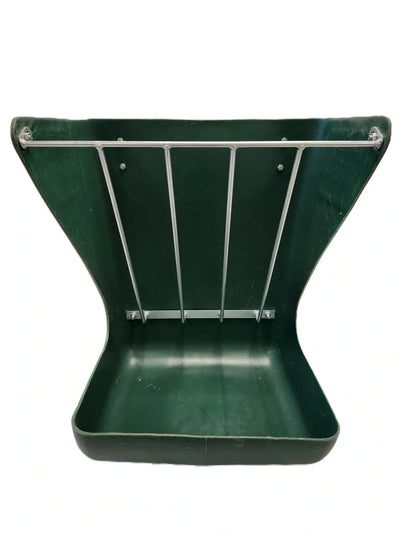





A humane mouse trap gives you a cleaner way to deal with mice without using poison, glue boards, or snap traps. For homeowners, farms, garages, sheds, storage areas, and small businesses, this matters because mice are not just annoying. They can get into food, chew packaging, leave droppings, and create ongoing cleanup problems.
Traditional mouse control methods can be messy. Poison may create safety concerns around children, pets, and non-target animals. Glue boards can be unpleasant to handle. Snap traps usually catch one mouse at a time and may leave a mess behind.
A humane mouse trap is different. It is designed to catch mice alive so they can be removed according to local rules. When used correctly, it can be reusable, cleaner, and easier to manage than single-use or kill-style traps.
What Is a Humane Mouse Trap?
A humane mouse trap is a live-catch trap that allows mice to enter but prevents them from leaving. Instead of poison or glue, it uses bait and a one-way entry system. The mouse smells or sees the bait, enters the trap, and is held inside until the trap is checked.
This type of trap is useful for people who want a mouse trap without poison or a mouse trap without glue. It is also a good fit for anyone who wants a reusable mouse trap that can be cleaned, rebaited, and used again.
A humane mouse trap works best when it is placed along active mouse travel paths and baited with food mice already recognize. Mice often travel along walls, corners, baseboards, shelves, and hidden edges. Placement is one of the biggest factors in success.
Why Avoid Poison, Glue, and Snap Traps?
Many people look for a humane mouse trap because they want to avoid the downsides of traditional methods.
A mouse trap without poison helps reduce the risk of poison being accessed by pets, children, or other animals. Poisoned mice may also die in hidden areas, which can create odor and cleanup issues.
A mouse trap without glue avoids the stress and mess of sticky glue boards. Glue boards can be difficult to handle and are often not the clean solution people expect.
Snap traps can work, but they are usually single-catch. That means you may need to set many traps, check them frequently, and clean up after each catch. If you are dealing with more than one mouse, this can become frustrating.
A humane mouse trap gives you another option. It focuses on live catch, reusable setup, and easier handling.
How a Live Mouse Trap Works
A live mouse trap uses bait to attract mice into the trap. Once inside, the mouse cannot easily exit through the entry system. The trap is then checked regularly, and the mouse is removed according to local guidelines.
The most important parts of a live mouse trap setup are:
- Bait
- Placement
- Cleanliness
- Regular checking
- Reducing other food sources
Mice are curious, but they are also careful. They may ignore a trap if food is available somewhere else. Before setting a trap, clean up spilled grain, pet food, birdseed, pantry crumbs, and garbage. The trap should become the easiest food source in the area.
A humane mouse trap works better when mice can smell or see the bait. Open wire or visible bait designs can help because the bait is easier for mice to detect.
Benefits of a Multi-Catch Mouse Trap
A multi-catch mouse trap is designed to catch more than one mouse in a single setting. This can be helpful because mice are rarely alone. If you see one mouse, there may be more nearby.
A single-catch trap has to be reset after every catch. A multi-catch mouse trap can reduce the need to set multiple traps throughout the same area. It also helps when mice are active in garages, barns, sheds, storage rooms, or feed areas.
A humane mouse trap with multi-catch capability is especially useful for recurring mouse problems. Instead of relying on disposable or one-time methods, you can rebait, reuse, and monitor the same trap.
For best results, place the trap where mice already travel. Walls, baseboards, corners, shelving units, feed storage zones, and garage edges are usually better than the middle of an open room.
Best Places to Use a Mouse Trap
The right location can make or break your results. A humane mouse trap should be placed where mice naturally move, not where it is simply convenient for you.
Good locations include:
- Along garage walls
- Near storage shelves
- Beside feed containers
- Along baseboards
- In sheds
- In barns
- Near pantry activity
- Around crawl spaces
- Behind appliances
- Near gaps or entry points
A mouse trap for garage use should usually go along a wall or near stored items where mice feel hidden. Garages often have pet food, birdseed, tools, boxes, and storage bins that create ideal hiding areas.
Avoid placing traps in the center of open spaces. Mice prefer protected travel routes. If the trap is too exposed, they may avoid it even when bait is inside.
Best Bait for a Humane Mouse Trap
A humane mouse trap needs bait that smells good, feels familiar, and stays inside the trap. You do not need a large amount. Mice are small, so a tiny amount is usually enough.
Good bait options include:
- Peanut butter
- Birdseed
- Oats
- Cereal crumbs
- Sunflower seeds
- Dry pet food
- Cracked grain
- Small nut pieces
Peanut butter works well because it smells strong and sticks in place. Birdseed works well when mice are already feeding near seed, grain, or poultry feed. Dry pet food can also be useful if mice are active near pet feeding areas.
Place the bait toward the inside of the trap, not right at the entrance. The mouse should have to fully enter to reach it. If bait is too close to the door, the mouse may take some without being caught.
How to Improve Catch Rates
If your humane mouse trap is not catching, do not assume it has failed. Small changes can improve results.
First, remove competing food. Seal bags of feed, clean spilled seed, secure garbage, and avoid leaving pet food out overnight.
Second, move the trap closer to mouse activity. Look for droppings, chew marks, shredded nesting material, or small gaps. Place the trap near those signs.
Third, use fresh bait. Old bait can dry out and lose scent. Replace it when needed.
Fourth, avoid overhandling the trap. Set it carefully and leave it in place long enough for mice to find it.
Fifth, check the trap regularly. A live mouse trap should not be ignored for long periods. Regular checking is part of responsible live-catch trapping.
Safe Cleanup After Mouse Activity
After mice have been active in a space, cleanup should be handled carefully. Rodent urine, droppings, and nesting material should not be swept or vacuumed dry. In this section, link to CDC rodent cleanup guidance when explaining safe cleanup steps.
Wear gloves, disinfect affected areas, and wipe up contaminated material safely. This is especially important in homes, sheds, garages, barns, storage units, and feed areas.
A humane mouse trap helps catch mice, but trapping should be paired with prevention. Seal gaps, reduce clutter, remove food sources, and store feed in sealed containers.
Final Thoughts
A humane mouse trap is a practical option for people who want to catch mice without poison, glue boards, or snap traps. It offers a cleaner, reusable approach that works well when paired with proper bait, smart placement, and regular checking.
For best results, place the trap along mouse travel paths, use strong bait like peanut butter or birdseed, and remove competing food sources. A multi-catch mouse trap can be especially helpful when you are dealing with more than one mouse.
If you also have larger rodent activity, you may need a humane rat trap instead, because mice and rats usually require different trap sizes. For complete live-catch options, explore Rugged Ranch Outlet’s live animal traps, including the Mouseinator humane mouse trap.
With the right setup, a live mouse trap can help you manage mice in a cleaner, safer, and more humane way.


